

Jump to section (21)
Muslim giving concentrates around Ramadan, Dhul Hijjah, and Zakat obligations, so digital programs need calendars built around those windows. Explain eligibility clearly, separate Zakat from general funds, publish a distribution policy, and use the rest of the year to build the list you will convert during the ten highest intent nights.
Key Takeaways
- 1Digital-first 'always on' fundraising replaces campaign-dependent revenue models with systems that acquire donors 365 days a year.
- 2Muslim giving is among the fastest-growing segments in philanthropy. Zakat, Sadaqah, and Waqf represent distinct instruments nonprofits must understand.
- 3Cultural competency starts with listening and building community advisory councils, not translating brochures.
- 4WhatsApp has 95%+ open rates and is the primary communication channel for many communities nonprofits want to reach.
- 5Hope-based crisis communication outperforms guilt-driven messaging by reducing donor fatigue and building longer-term relationships.
Digital-first fundraising is the current standard. For organizations seeking to broaden their donor base and engage communities they have not historically served, cultural competency determines whether an effort feels genuine or merely transactional.
In this episode of The Small Nonprofit Podcast, host Maria Rio speaks with Sarah Ali, digital-first fundraiser, founder of SA Philanthropy, and executive director of the Muslim Philanthropy Network. They explore how nonprofits can use cultural intelligence, digital tools, and hope-based communication to reach new giving communities and build sustainable revenue.
The Rise of Digital-First Fundraising
The nonprofit sector often trails behind digital trends. While e-commerce brands have spent a decade refining mobile checkout, many nonprofits still rely on clunky donation pages, batch emails, and event-heavy revenue models that do not scale.
Digital-first fundraising flips this model. It operates on the assumption that a donor's primary interaction with your organization happens on a screen. Every touchpoint, from the initial ad to the automated thank-you email, must be designed for a digital experience.
This approach does not replace in-person fundraising. Instead, it builds an "always on" acquisition and stewardship engine. This includes monthly donor programs, automated welcome sequences, and social-first content strategies that compound over time.
SA Philanthropy helps nonprofits build these systems. Organizations moving to a digital-first model consistently see 2x revenue growth within 12 to 18 months, a trend noted across SA Philanthropy'sSource 3: SA Philanthropy. Full-service fundraising agency for mission-driven organizations. client portfolio. This success stems from reduced dependency on a few annual events or a single major gifts officer.
What "Always On" Actually Means
Most nonprofits run seasonal campaigns, such as a spring appeal or a year-end push. Between these windows, acquisition stops and the pipeline goes cold.
An "always on" model ensures donor acquisition never pauses. You run paid social campaigns year-round, testing creative and converting new monthly donors weekly. Your email sequences are automated and your retargeting pixels remain active.
This does not require a massive budget; it requires a system. Sarah’s team at SA PhilanthropySource 3: SA Philanthropy. Full-service fundraising agency for mission-driven organizations. has launched programs with as little as $500 per month in ad spend. The key is the infrastructure: landing pages, email sequences, and a consistent data feedback loop.
How Muslim Giving Is Reshaping Philanthropy
Muslim giving is among the fastest-growing segments in global philanthropy, yet most mainstream nonprofits remain unprepared to engage it effectively.
Islamic finance assets are projected to triple in the next three years. The global Muslim population is young, digitally native, and increasingly affluent. Zakat, one of the five pillars of Islam, requires Muslims to give 2.5% of their qualifying wealth annuallySource 2: Muslim Philanthropy Network. Resources and research on Islamic giving and philanthropy.. Additionally, Sadaqah (voluntary charity) is practiced year-round, and Ramadan creates a massive 30-day surge in giving.
The concentration is significant. Giving among Muslim donors spikes sharply during Ramadan relative to the rest of the year, a pattern documented by the Muslim Philanthropy Initiative. Organizations that engage Muslim donors during this window can generate a significant portion of their annual revenue in weeks.
Success requires cultural homework. A generic social post or a crescent moon icon on a donation page often fails because it lacks depth.
Understanding Zakat and Sadaqah
To engage Muslim donors, organizations must understand the distinction between Zakat and Sadaqah.
Zakat is obligatory for Muslims with wealth above a specific threshold (Nisab). It must go to one of eight categories of recipients defined in the Quran, including the poor and those in debt. Organizations wishing to receive Zakat must demonstrate that their programs serve eligible recipients.
Sadaqah is voluntary, with no minimum amount or specific recipient restrictions. While most nonprofits are naturally suited for Sadaqah, those that can credibly position programs as Zakat-eligible reach a much larger giving pool.
Waqf is an Islamic endowment where the principal is preserved and only the income is distributed. These trusts have funded hospitals and universities for centuries. Modern nonprofits are now exploring Waqf for legacy giving.
These instruments shape your messaging, donation page design, and receipting. A Zakat donor needs to know exactly how their gift was distributed, while a Sadaqah donor may focus more on broad impact stories.
Cultural Competency: Beyond the Basics
Cultural competency is about understanding the values and behaviors of the communities you serve. Sarah emphasizes that this begins with listening. The power of deep listening is the foundation of authentic engagement. The first step for a non-Muslim organization is not a campaign, but building relationships with community leaders to understand their priorities.
The Cultural Competency Framework
A practical approach for engaging new communities:
What Tokenism Looks Like (and How to Avoid It)
Tokenism is pervasive in multicultural fundraising. Common patterns include:
The remedy is depth: deep relationships and a commitment to serving the community's needs rather than just extracting donations.
Leveraging WhatsApp for Donor Engagement
WhatsApp is a powerful engagement tool that most North American nonprofits overlook. It has over 2 billion users and is the primary communication platform for many Muslim, South Asian, African, and Latin American communities. While email open rates hover around 20%, WhatsApp messages often exceed 95%.
How to Use WhatsApp in Fundraising
Hope-Based Communication in Crisis Fundraising
In a crisis, the default approach is often urgency and despair. Sarah argues for hope-based communication. This style acknowledges the urgency while centering the resilience and dignity of the people affected.
Why Hope-Based Messaging Works Better
The Hope-Based Messaging Formula
Building a Ramadan Campaign That Actually Works
Ramadan is the peak period for Muslim giving. Generosity is amplified, and donors are actively looking for causes to support. Our guide on why brand beats campaign during Ramadan details how year-round trust makes an appeal successful.
Pre-Ramadan (4 to 6 weeks before)
Educate donors on your Zakat and Sadaqah eligibility. Set up landing pages with Zakat calculators and begin awareness ads.
First 10 Days (Mercy)
Launch the campaign with stories tied to the theme of mercy. Share beneficiary updates via social media and email.
Middle 10 Days (Forgiveness)
Shift messaging to themes of renewal. Introduce matching gift opportunities and progress updates to build momentum.
Last 10 Days (Salvation / Laylat al-Qadr)
This is the peak giving period. Many Muslims concentrate donations on the final nights. Increase email frequency to daily. Deploy WhatsApp broadcasts and ensure your team is available for donor inquiries during late evening hours.
Post-Ramadan
Send an impact report within 30 days. Thank donors personally through video or voice notes and transition them into your year-round stewardship program.
What Nonprofits Can Do Today
About the Podcast
The Small Nonprofit Podcast is hosted by Maria Rio and features fundraising tips and leadership strategies. The show focuses on eliminating burnout and boosting organizational impact. Listen to more episodes.
Frequently Asked Questions
QWhat is digital-first fundraising?
Digital-first fundraising assumes your donor's primary interaction happens on a screen. It means building 'always on' acquisition and stewardship systems, including paid social, automated email sequences, retargeting, and mobile-optimized donation pages, that work continuously, not just during campaign periods. Our guide on SEO strategies covers how to drive organic traffic into these systems.
QWhat is the difference between Zakat and Sadaqah?
Zakat is obligatory. Muslims with wealth above a threshold must give 2.5% of qualifying assets annuallySource 2: Muslim Philanthropy Network. Resources and research on Islamic giving and philanthropy. to specific categories of recipients defined in Islamic jurisprudence. Sadaqah is voluntary charity with no restrictions on amount, timing, or recipients. Understanding the difference shapes your messaging, donation pages, and receipting. Read more about building brand trust during Ramadan to see how these instruments fit into campaign strategy.
QHow can nonprofits use WhatsApp for fundraising?
Use broadcast lists for segmented updates, enable peer-to-peer sharing within community groups, send real-time campaign progress during pushes, and deliver personalized thank-you voice notes. WhatsApp messages have 95%+ open ratesSource 6: WhatsApp Business. Information on WhatsApp Business messaging and engagement rates. compared to email's 20%. It's a powerful channel in a multi-touchpoint donor journey.
QWhat is hope-based fundraising?
Hope-based fundraising acknowledges crises while centering the resilience and agency of affected communities. Instead of guilt-driven imagery, it shows donors what their gift makes possible. This approach reduces donor fatigue, respects communities, and produces higher retention rates. It's grounded in the same principles as storytelling that inspires action.
QHow should nonprofits plan a Ramadan campaign?
Start 3-6 months early. Build Zakat-eligible program positioning, create Ramadan-specific landing pages with calculators, warm audiences pre-Ramadan, increase email frequency during the last 10 nights (especially Laylat al-Qadr), and send a comprehensive impact report within 30 days of Eid. Our deep dive on why brand beats campaign during Ramadan shows how to build trust year-round so your Ramadan ask lands.
Evidence
Every statistic and study referenced above links to its primary source. Each entry has a stable anchor, so citations stay consistent over time.
- 1The Small Nonprofit Podcast · youtube.com
*Muslim Giving & Digital-First Fundraising with Sarah Ali*.
- 2Muslim Philanthropy Network · muslimphilanthropynetwork.com
Resources and research on Islamic giving and philanthropy.
- 3SA Philanthropy · sarahaliphilanthropy.com
Full-service fundraising agency for mission-driven organizations.
- 4
- 5
- 6WhatsApp Business · business.whatsapp.com
Information on WhatsApp Business messaging and engagement rates.
Related questions
About the author and our standards
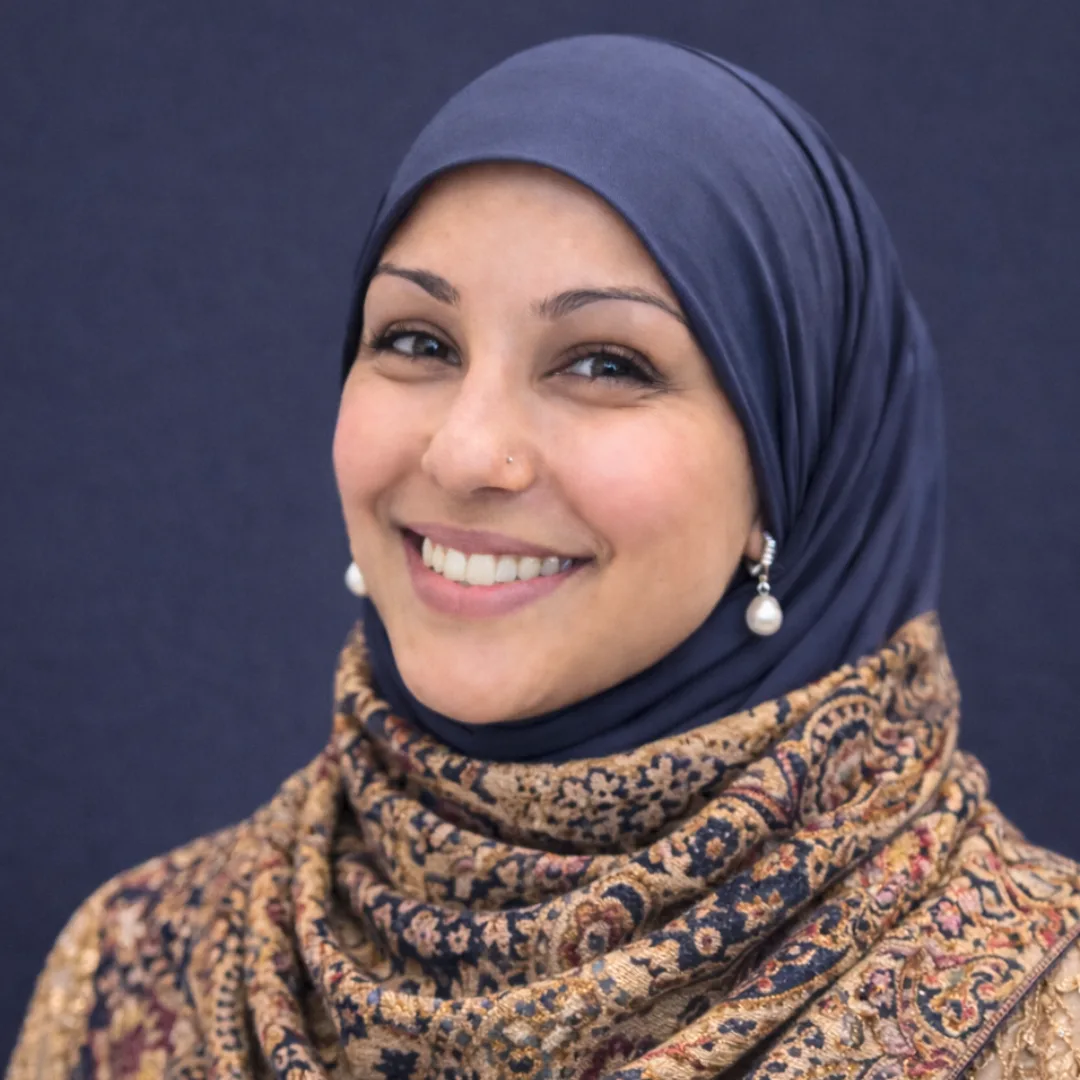
Founder & CEO, SA Philanthropy, SA Philanthropy
Sarah Ali is the founder and CEO of SA Philanthropy, helping mission-driven organizations raise more and scale their impact. She is also the executive director of the Muslim Philanthropy Network.
This article was reviewed by the SA Philanthropy editorial team before publication. We source every statistic, name every author, date every update, and correct errors on request. Read our editorial policy.