

Jump to section (11)
Inclusion becomes real when people from affected communities hold budget, hiring, and strategy decisions, not just seats in the room. That means naming who decides, publishing pay bands, and building the conditions where staff can raise problems without risk. Representation without power is presentation, and donors increasingly see the difference.
Key Takeaways
- 1Token inclusion isn't true inclusivity. Diverse leaders need safety, power, and space to lead without shrinking.
- 2Divorcing identity from professional credibility reinforces the systems that marginalize diverse leaders.
- 3The opposite of trauma is play. Playful team rituals build psychological safety and reduce burnout.
- 4Islamic finance assets are set to triple in 3 years, representing a massive opportunity the sector must understand.
- 5Reconnecting with the joy of giving is the foundation of authentic fundraising and sustainable leadership.
Leadership in the nonprofit sector is frequently reduced to performance metrics, overlooking the necessity of safety and authentic expression. True leadership goes beyond token inclusion. It requires creating environments where people are empowered to bring their whole selves to the work.
In Episode 262 of What the FundraisingSource 1: What the Fundraising Podcast, Episode #262. *Beyond Inclusion: Creating Safety, Power & Space to Lead with Sarah Ali*., host Mallory Erickson speaks with Sarah Ali, founder and CEO of SA Philanthropy, about how reclaiming joy and purpose transforms how diverse leaders show up. These insights are drawn directly from that conversation.
Why Token Inclusion Falls Short
There is a gap between being included and being safe. Many organizations check a diversity box without ensuring that the people they hire hold actual power or psychological safety.
According to Sarah Ali, What the Fundraising Episode 262Source 1: What the Fundraising Podcast, Episode #262. *Beyond Inclusion: Creating Safety, Power & Space to Lead with Sarah Ali*.: "We don't need inclusion. We need safety. We need power. We need space to lead without shrinking."
For visibly diverse leaders, assumptions often precede their work. Sarah recalls joining calls with senior leadership where the atmosphere shifted the moment she appeared. Unconscious bias suggests a hijabi woman might not grasp complex sectoral issues like climate change.
This has real-world consequences. The National Council of Canadian MuslimsSource 3: National Council of Canadian Muslims (NCCM) reported a 1,300% increase in Islamophobic attacks in late 2023. Sarah stopped using public transit in Toronto because of the targeted violence against women in hijabs. Inclusion in our sector must account for these lived realities.
Identity as Strength, Not Something to Divorce
Sarah once tried to separate her identity from her professional credibility, viewing her faith and womanhood as incidental. She eventually realized that distancing herself from her identity validates the idea that who you are has no role in how you lead.
"Being a visibly Muslim woman in a global trend of Islamophobia 100% defines me," Sarah told Mallory Erickson in What the Fundraising, Episode 262Source 1: What the Fundraising Podcast, Episode #262. *Beyond Inclusion: Creating Safety, Power & Space to Lead with Sarah Ali*.. She views this not as a limitation, but as a superpower.
This shift is vital for the sector. Fundraisers are storytellers. If we cannot hold the complex parts of our own identities, we cannot truly understand the stories of our donors or the communities we serve.
The Danger of the Single Story
Sarah uses Chimamanda Ngozi Adichie's TED Talk, The Danger of a Single Story, to frame how fundraisers should view identity.
"There's no such thing as a single story. We are all multifaceted. I wear hijab and pray five times a day, but I also like to hang out with my friends at a Yemeni coffee shop late at night."
In major gifts, success relies on understanding these nuances. The same curiosity required to connect a donor to a cause applies to team management and organizational culture. Sarah notes that the stories of our people are where we find the "golden nugget" for authentic connection.
Building Safety Through Story
A senior team member at SA Philanthropy, a Caribbean woman with a master's in philanthropy and 15 years of experience, was hesitant to use AI. Despite raising $1.6 million in a single quarter, according to SA Philanthropy's outcomes, she felt unsafe with the technology.
The hesitation was rooted in trauma. During her graduate studies, she was falsely accused of using AI for her thesis. Because the team prioritized safety, this story eventually surfaced. We do not pry. We create conditions where stories emerge naturally because the environment is safe.
The Changing Face of Wealth and Philanthropy
The demographics of wealth are shifting. Islamic finance assets are expected to triple in the next three years per the Islamic Finance Council UK. As the global economy fluctuates, we are seeing a massive wealth transfer to diverse "new money" philanthropists. Our analysis of Islamic finance and Waqf structures examines these giving instruments further.
"If we don't critically interpret how we feel about our own selves and how we perceive the changing face of wealth, we cannot consider ourselves to be good fundraisers," Sarah argues. Organizations that ignore these diverse donor communities will miss a historic opportunity.
Why Play Is the Antidote to Burnout
Sarah suggests that play is the most effective way to address burnout.
"They say that the opposite of trauma is play. If more space is given to play and less to stressful meetings about not hitting the target, my sense is we'll also feel better overall, and we will not burn out."
While facilitating design thinking for senior INGO leaders, she used Lego blocks to break through professional rigidity. This created the safety needed for real connection. Her team uses "Emotional Weather" check-ins, allowing staff to describe their state, from "sunny" to "tornado", without the pressure of a formal report.
The Crisis of Disappearing Entry-Level Roles
Automation is threatening entry-level positions. By eliminating these roles, organizations lose the fresh energy and capacity for play that prevents stagnation. Understanding how AI tools are reshaping fundraising is vital for leaders who want to use technology responsibly.
Entry-level staff often bring a curiosity that has not been worn down by years of sector pressure. Automating these roles may actually accelerate the burnout of remaining staff.
Connecting Donors to the Joy of Giving
Sarah began her career in law, but moved to face-to-face monthly donor acquisition. She discovered the deep satisfaction in connecting a donor to the joy of giving.
That joy should be the foundation of our work. As Sarah shared in What the Fundraising, Episode 262Source 1: What the Fundraising Podcast, Episode #262. *Beyond Inclusion: Creating Safety, Power & Space to Lead with Sarah Ali*.: "Connect yourself to the joy, and then hold that joy with others. You'll find the story, the safety, and your work will feel like play again."
What Leaders Can Do Today
About the Podcast
What the Fundraising is hosted by Mallory Erickson, creator of the Power Partners Formula™. The podcast features raw conversations that challenge nonprofit leaders to rethink leadership. Listen to more episodes.
Frequently Asked Questions
QWhat is the difference between inclusion and safety in the nonprofit sector?
Inclusion means having diverse people in the room. Safety means those people hold power, influence, and psychological security to lead authentically without shrinking or conforming. Sarah Ali argues that true inclusivity requires safety, power, and space, not just a seat at the table. Learn more about the systemic shifts needed in our feature on why collaboration beats competition in Muslim nonprofits.
QHow does identity affect fundraising leadership?
Visibly diverse leaders often face pre-configured assumptions before they speak. This creates pressure to divorce identity from professional credibility. Sarah argues this is dangerous. Identity is a strength that enables authentic storytelling, donor connection, and team leadership.
QWhy is play important for nonprofit teams?
Research suggests the opposite of trauma is play. Playful team exercises like Emotional Weather check-ins and design thinking sprints build psychological safety, reduce stress, and create space for authentic connection, all of which combat the burnout crisis in the sector. Strong project management creates the operational stability that makes space for play.
QWhat is the Islamic philanthropy opportunity for nonprofits?
Islamic finance assets are projected to triple in the next three years. A significant portion of emerging philanthropists are from diverse communities new to strategic giving. Organizations that understand these donors' values and giving motivations will access the largest wealth transfer in history. Our guide to Muslim giving and digital-first fundraising covers how to engage these communities authentically.
QHow can leaders create psychological safety on their teams?
Don't pry into people's identities. Instead, build environments where stories emerge naturally through comfortable, ongoing conversations. Use playful check-in rituals, respect lived experiences, and ensure diverse voices hold decision-making power, not just advisory roles. The same principle of deep listening applies to both team culture and donor relationships.
Evidence
Every statistic and study referenced above links to its primary source. Each entry has a stable anchor, so citations stay consistent over time.
- 1What the Fundraising Podcast, Episode #262 · youtube.com
*Beyond Inclusion: Creating Safety, Power & Space to Lead with Sarah Ali*.
- 2
- 3
- 4Mallory Erickson, Tiny Shifts, Big Change · malloryerickson.com
Related questions
About the author and our standards
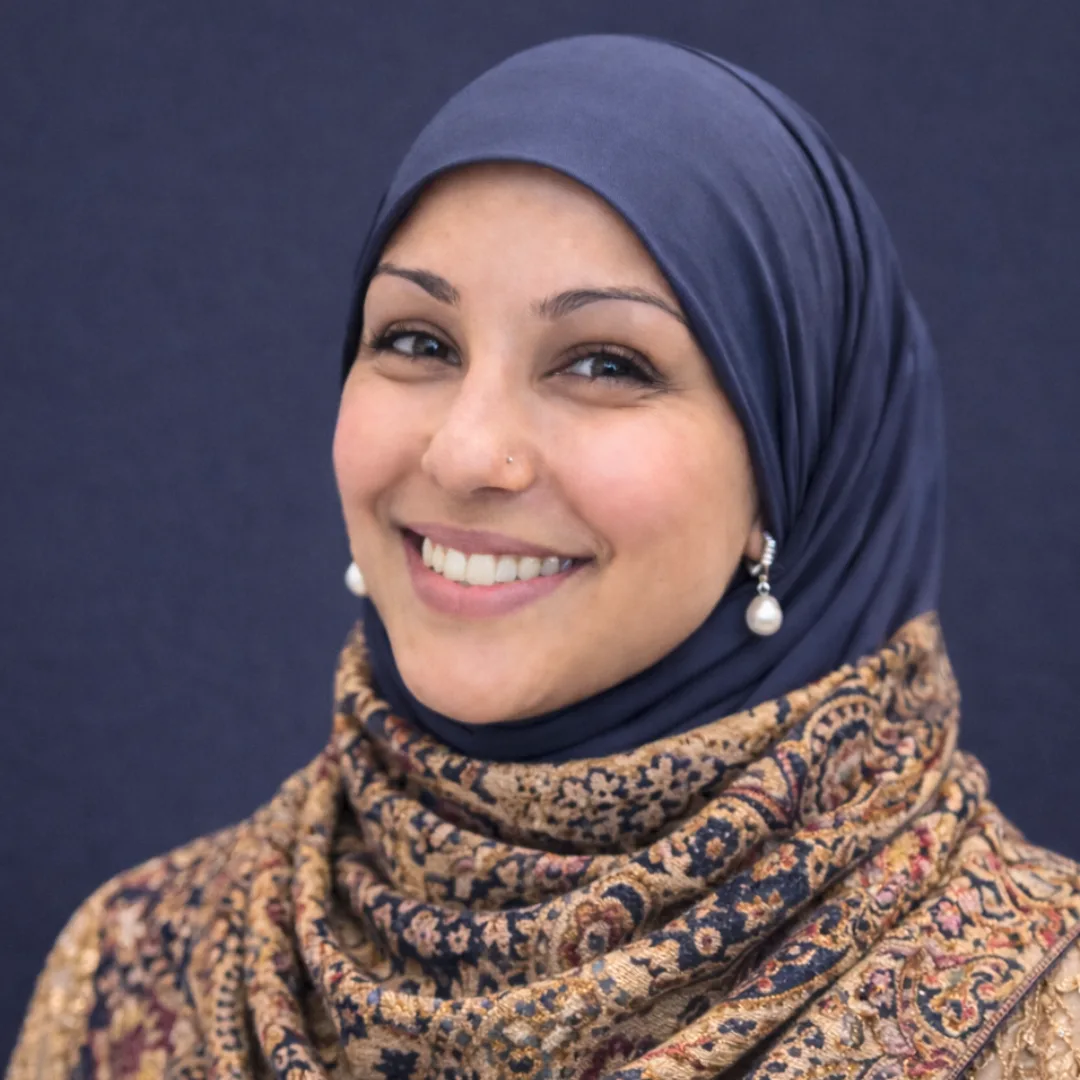
Founder & CEO, SA Philanthropy, SA Philanthropy
Sarah Ali is the founder and CEO of SA Philanthropy, helping mission-driven organizations raise more and scale their impact. She has over a decade of experience across digital-first giving, institutional fundraising, and funder engagement.
This article was reviewed by the SA Philanthropy editorial team before publication. We source every statistic, name every author, date every update, and correct errors on request. Read our editorial policy.