

Jump to section (18)
Collaboration grows the pool; competition splits it. Organizations serving the same community can share research, coordinate campaign timing, and co-fund donor education without merging brands. The practical starting point is a joint calendar so appeals do not land on the same donor in the same week from four different charities.
Key Takeaways
- 1Muslim nonprofits are held back by scarcity mindset, competition culture, and a talent gap, not by lack of funding.
- 2The three levers of scalability are People, Process, and Tools, each requiring deliberate investment.
- 3A trillion-dollar Muslim wealth transfer is underway, and organizations that professionalize will capture it.
- 4Speaking the language of funder priorities (outcomes over activities, data-backed proposals) unlocks institutional funding.
- 5Performance culture paired with growth investment retains talent and drives mission impact.
The constraints holding Muslim nonprofits back are rarely financial. Culture, mindset, and talent development account for more of the performance gap than funding does.
In Episode 22 of The Muslim Nonprofit Show, host Tayyab Yunus sits down with Sarah Ali, founder of the Muslim Philanthropy Network and SA Philanthropy, to discuss the structural shifts the sector must embrace to thrive. Sarah shares her 14-year journey, from global roles at Doctors Without Borders and Amnesty International to her current work professionalizing the Muslim philanthropic space.
From Law School to Global Nonprofit Leadership
Sarah's path into philanthropy was not linear. She pivoted from law school into fundraising through face-to-face donor acquisition, connecting people to the joy of giving. This early experience framed a 14-year career at global INGOs like Doctors Without Borders and Amnesty International.
At these organizations, she learned how large-scale systems work and how to build revenue engines that scale. However, she noticed the infrastructure powering mainstream global organizations often failed to reach the Muslim nonprofit space. Many organizations were running on passion and volunteerism alone, lacking the professional development pipelines their counterparts took for granted.
That gap led Sarah to found SA Philanthropy, a full-service fundraising agency, and the Muslim Philanthropy Network, a capacity-building organization dedicated to professionalizing the sector.
What's Missing in Muslim Nonprofits Today
Though the Muslim nonprofit sector has grown significantly in reach and visibility, Sarah identifies three core challenges that create fragility:
1. A Scarcity Mindset
Many organizations operate under the assumption that there is not enough money or talent to go around. This creates a defensive posture where organizations hoard information and treat peers as competitors for limited resources.
The data suggests otherwise. Muslim giving is one of the fastest-growing segments in global philanthropy. Islamic finance assets are projected to triple in the next three years. The global Muslim population is young and increasingly affluent. Resources exist, but organizations often lack the systems to access them.
2. A Culture of Competition Over Collaboration
When organizations view each other as rivals, the ecosystem suffers. Donors face overlapping appeals, talent is poached rather than developed, and impact is siloed. When organizations share data or co-create campaigns, the total addressable giving pool grows for everyone.
3. A Talent and Professionalization Gap
The sector struggles to retain professional talent. While compensation is a factor, culture is often the primary driver of turnover. Without clear career pathways, talented practitioners hit a ceiling within two to three years and leave for mainstream organizations. The sector loses its best people because it has not built the systems to keep them.
The Three Levers of Scalability
Sarah introduces a framework for sustainable scaling based on three levers: People, Process, and Tools.
People
Your team is your primary asset, but hiring is only the first step. You must invest in onboarding, training, and mentorship. This means moving beyond the "family culture" common in Muslim organizations.
While family culture sounds warm, it often leads to unclear boundaries and a lack of accountability. A professional culture provides clear expectations and honest feedback as a form of genuine investment.
Specific actions:
Process
Systems beat heroics. If your organization relies on one or two key people to function, you have a bottleneck, not a resilient institution. Applying these principles across your fundraising storytelling and donor journey channels ensures creative outputs reach donors on schedule.
Documenting processes ensures knowledge remains even if a team member leaves. Key processes to document include:
Tools
Technology is an enabler. Many Muslim nonprofits still rely on manual processes and spreadsheets that burn through staff time. Investing in a proper CRM and project management software is a prerequisite for growth.
Sarah recommends:
The Trillion-Dollar Muslim Wealth Transfer
We are currently witnessing the largest intergenerational wealth transfer in human history. First-generation Muslim immigrants in North America, the UK, and Europe have built substantial wealth over 40 years, as documented by the Islamic Finance Council UKSource 4: Islamic Finance Council UK, research on Islamic finance assets and growth projections.
This wealth is transferring to younger generations who are digitally native and demand measurable impact. At the same time, assets are growing rapidly, as explored in our guide to Islamic finance and Waqf structures. The organizations that capture this transfer will be those that speak the language of professional philanthropy while honoring Islamic traditions like Zakat and Sadaqah. Organizations relying solely on Friday appeals and Ramadan guilt trips risk missing this generational opportunity.
Speaking the Language of Funder Priorities
A critical skill for Muslim nonprofits is the ability to translate their work for institutional donors. This is about framing impact in ways that resonate with foundation officers and government managers.
How to Translate Your Impact
Building a Performance Culture
Embracing a performance culture does not mean becoming "corporate" at the expense of values. It is about creating psychological safety and authentic leadership that allows staff to excel.
What Performance Culture Looks Like in Practice
The Future of Muslim Philanthropy
Sarah envisions a sector where organizations collaborate on shared challenges and talent is celebrated. In this future, systems enable scale without burnout, and the trillions in Muslim wealth are channeled into measurable impact at scale. The infrastructure for this future is being built now through organizations like the Muslim Philanthropy Network and advisors like SA Philanthropy.
What You Can Do Today
About the Podcast
The Muslim Nonprofit Show is hosted by Dr. Tayyab Yunus and features conversations with leaders on building effective, values-driven organizations. Subscribe on YouTube.
Frequently Asked Questions
QWhy do Muslim nonprofits struggle to scale?
Three core challenges hold the sector back: a scarcity mindset that treats every peer organization as a competitor, a lack of documented systems and processes, and a talent gap caused by insufficient professional development and career pathways. Investing in project management is one of the fastest ways to address the process gap.
QWhat are the three levers of nonprofit scalability?
People (investing in onboarding, training, and performance culture), Process (documenting and systematizing core workflows so knowledge doesn't leave with individuals), and Tools (deploying CRM, marketing automation, and analytics platforms that enable efficiency at scale). Our guide on digital-first fundraising covers the Tools lever in depth.
QWhat is the Muslim wealth transfer opportunity?
First-generation Muslim immigrants have built substantial wealth over 30 to 40 years, as documented by the Islamic Finance Council UKSource 4: Islamic Finance Council UK, research on Islamic finance assets and growth projections. That wealth is transferring to digitally savvy second and third-generation children interested in strategic philanthropy. Combined with triple-digit growth in Islamic finance assets, this represents a trillion-dollar opportunity for organizations that can professionalize. Understanding mid-level donor strategy is key to cultivating these emerging philanthropists.
QHow can nonprofits speak the language of funders?
Lead with outcomes instead of activities, align with funder frameworks like the UN SDGs, use both quantitative and qualitative data, publish transparent financials, and invest in professional grant writing capacity. SEO thinking can help you understand and adopt the language your funders actually use.
QWhat does performance culture look like in a nonprofit?
Clear role definitions, regular feedback through weekly one-on-ones, data-informed decision-making, genuine investment in professional development, and healthy accountability where underperformance is addressed directly and compassionately. Learn how psychological safety and identity shape the conditions for a healthy performance culture.
Evidence
Every statistic and study referenced above links to its primary source. Each entry has a stable anchor, so citations stay consistent over time.
- 1
- 2Muslim Philanthropy Network, resources and research on Islamic giving and sector capacity building · muslimphilanthropynetwork.com
- 3SA Philanthropy, full-service fundraising agency for mission-driven organizations · sarahaliphilanthropy.com
- 4
- 5
Related questions
About the author and our standards
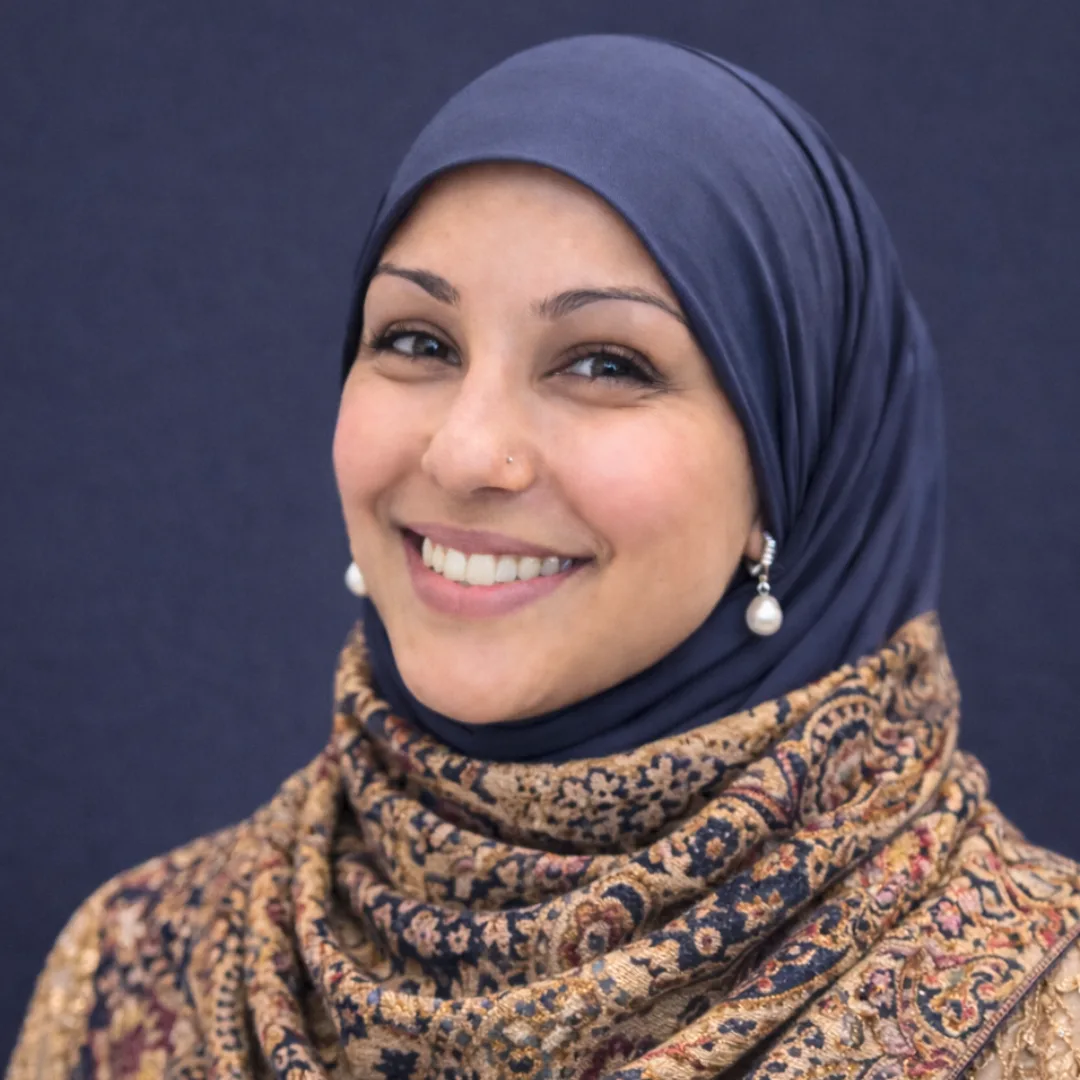
Founder & CEO, SA Philanthropy, SA Philanthropy
Sarah Ali is the founder and CEO of SA Philanthropy, helping mission-driven organizations raise more and scale their impact. She is also the founder of the Muslim Philanthropy Network.
This article was reviewed by the SA Philanthropy editorial team before publication. We source every statistic, name every author, date every update, and correct errors on request. Read our editorial policy.